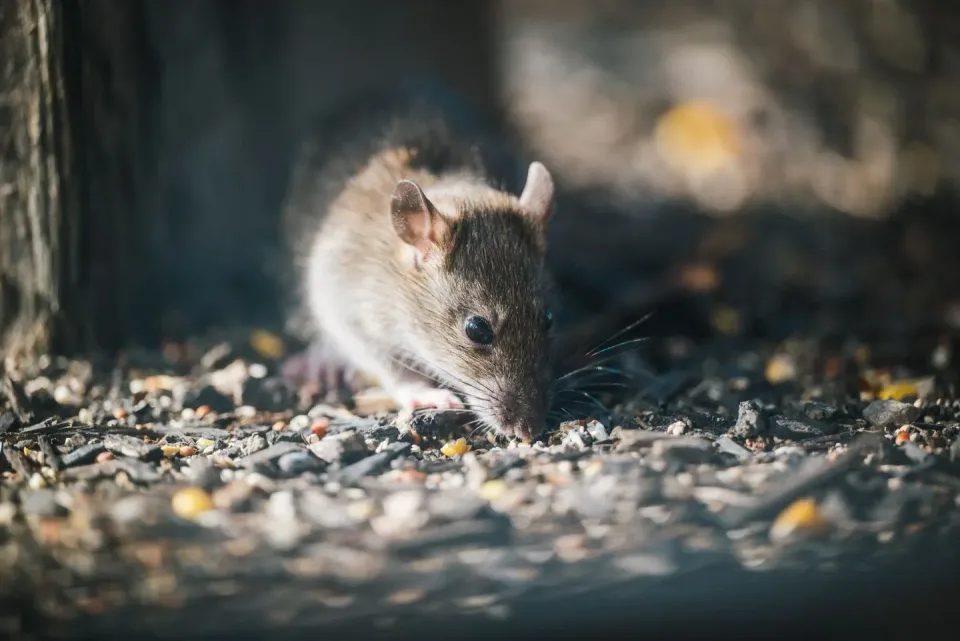
What Fargo Attic Scratching May Mean
Scratching overhead can point to rodents, but checking safely means staying out of unstable or contaminated attic areas. From the floor, note when the sound happens and look for droppings or disturbed insulation only where you can see without climbing or reaching into hidden spaces. Take care around Fargo Theatre: its downtown setting is a reminder that a city home can have tight, shared building surroundings, so avoid sealing an opening until you know what is using it.
Near Downtown Fargo, record which side of the house the noise comes from to help narrow inspection. Plains Art Museum visitors know older buildings need careful upkeep; at home, ask a professional to inspect attic access and suspected entry points rather than disturbing unknown material.
What should you check from the attic entrance?
Scratching sounds inside a Fargo attic deserve a cautious look, not a rushed climb. Start from a stable floor or the top of a secure ladder, switch on a flashlight, and scan visible areas without stepping between joists or pushing insulation aside.
Look for droppings, gnaw marks, nesting material, or a clear route along a wall; photograph anything visible instead of touching it. Avoid sweeping or vacuuming droppings, which can stir dust into the air. If you cannot see the attic floor clearly, stop there.
North Dakota State University in Fargo gives homeowners a nearby source for general extension guidance, but a site-specific inspection still needs to account for your attic’s layout and access. Our crew begins by identifying signs and checking likely harborage and entry points, rather than assuming every sound has the same cause.
That distinction matters: a branch tapping a roof or loose material can sound like animal movement. Keep notes on the time and location of sounds; patterns help an inspection.
How do North Dakota winters affect attic checks?
Long, cold winters increase indoor rodent entry as animals seek shelter, so repeat scratching during cold spells deserves attention. Do not treat the season as proof that rodents are present, though.
Confirm with visible evidence and a careful inspection. At Red River Zoo in Fargo, animal care depends on observing behavior; at home, noticing when noises begin and stop can likewise help distinguish recurring activity from an isolated sound.
West Acres Regional Shopping Center is a familiar Fargo reference point, but the practical lesson for a homeowner is simple: keep the inspection focused on your own building. Note gaps near rooflines, utility penetrations, and attic vents from a safe position, and do not block a suspected route before the source is identified.
We use inspection and monitoring to connect signs to likely access, then explain what we found and what should happen next. Our 11+ years serving North Dakota have taught us to check the building, not just react to a noise.
When should you stop and call a professional?
Call for an inspection if you find droppings, nesting material, gnawed wiring, or signs in an area you cannot reach safely. Also stop if the attic has loose boards, exposed wiring, poor lighting, or a steep access point. A homeowner can document sounds and visible signs; climbing across joists, handling debris, or placing products in an uncertain location is a different risk.
For a useful handoff, share when the scratching occurs, where it seems loudest, and whether you have seen activity elsewhere. You can also read our guide to mouse droppings beneath the sink for a separate example of recording pest signs without disturbing them.
North Dakota Pest Pros will explain the inspection findings and recommendations before work begins. That step helps avoid a common mistake: treating a sound without confirming what caused it.
What happens after signs are confirmed?
A sound alone does not establish which animal is present. Once inspection supports a rodent identification, a plan may combine monitoring or trapping with exclusion of confirmed access points. Our Mouse Extermination service focuses on the activity and evidence found at the property; we do not recommend sealing a suspected opening blindly, since an animal could remain inside.
For preparation, clear access to the attic hatch and tell the technician about any recent pesticide use. Keep people and pets away from inspection or treatment areas as directed, and follow the product label if any product is used.
We explain what we see, what we recommend, and what to expect before starting. If the evidence is uncertain, the right first step is more inspection not a guess.
Which Attic Rodent Check Is Right for You?
For scratching overhead, choose an option based on whether you have confirmed signs and can safely access the area. Do not climb into an unsafe attic.
Interstate 94 crosses North Dakota, but travel distance is not a substitute for checking the specific house and its access. North Dakota Highway 200 connects communities across the state; wherever a home sits, clear inspection details help guide the next step.
Chahinkapa Zoo in Wahpeton is another reminder that observing an animal is different from identifying it in a building. Use a careful inspection before choosing treatment.
| Option | Best for | Key detail |
|---|---|---|
| From-floor observation | Unconfirmed scratching | Record time and location; do not enter an unsafe attic |
| Professional inspection | Droppings or unclear access | Confirms signs and likely entry points |
| Snap traps | Confirmed rodent activity | Immediate capture; placement should follow identification |
| Exclusion | A confirmed opening | Blocks access; pair with assessment of active rodents |
How Do You Prepare for an Attic Rodent Check?
If you hear scratching, prepare by documenting what you can observe safely and making inspection access clear. The Medora Musical amphitheater is a familiar destination, but at home the key is giving the technician a clear route to the attic hatch and any relevant utility access.
-
Record the signs: Note the time, location, and duration of scratching, and photograph visible evidence from a safe place.
-
Clear access: Move stored items away from the attic hatch so the technician can reach it without shifting piles overhead.
-
Secure pets: Keep pets away from the inspection area while the technician checks access and visible signs.
-
Share treatment history: Tell the technician about recent pesticide applications and where any products were placed.
-
Agree on next steps: Ask what monitoring or follow-up is recommended after the inspection.
Rainfall varies across eastern and western North Dakota, so tell the inspector if you have noticed moisture around the home that might affect access or visible evidence. Keep the attic closed until it can be checked safely.
Get a Careful Fargo Attic Inspection
Scratching overhead is a reason to document and inspect, not to enter an unsafe attic or disturb suspected nesting material. Periodic hail can damage siding and vent covers, so include visible exterior damage in your notes instead of assuming the sound points to a single access route.
If the evidence is unclear or the hatch and floor are not safe to approach, let a trained technician assess it. North Dakota Pest Pros checks visible signs and likely access points, then explains the findings and recommended next steps before work begins.
Contact our team at (855) 681-0299 or request an inspection through our Mouse Extermination service.